

How to Learn Chess
Chess has a reputation for being hard to get into. It isn’t. You can learn how every piece moves in about twenty minutes, play your first proper game the same evening, and spend the rest of your life discovering why people never get bored of it.
This page is the route we’d recommend to a friend: what to do first, what to skip, and the small number of genuinely excellent books, videos and websites worth your time. No experience assumed — and if you last played at school and remember only that the horse moves in an L, that counts as experience.
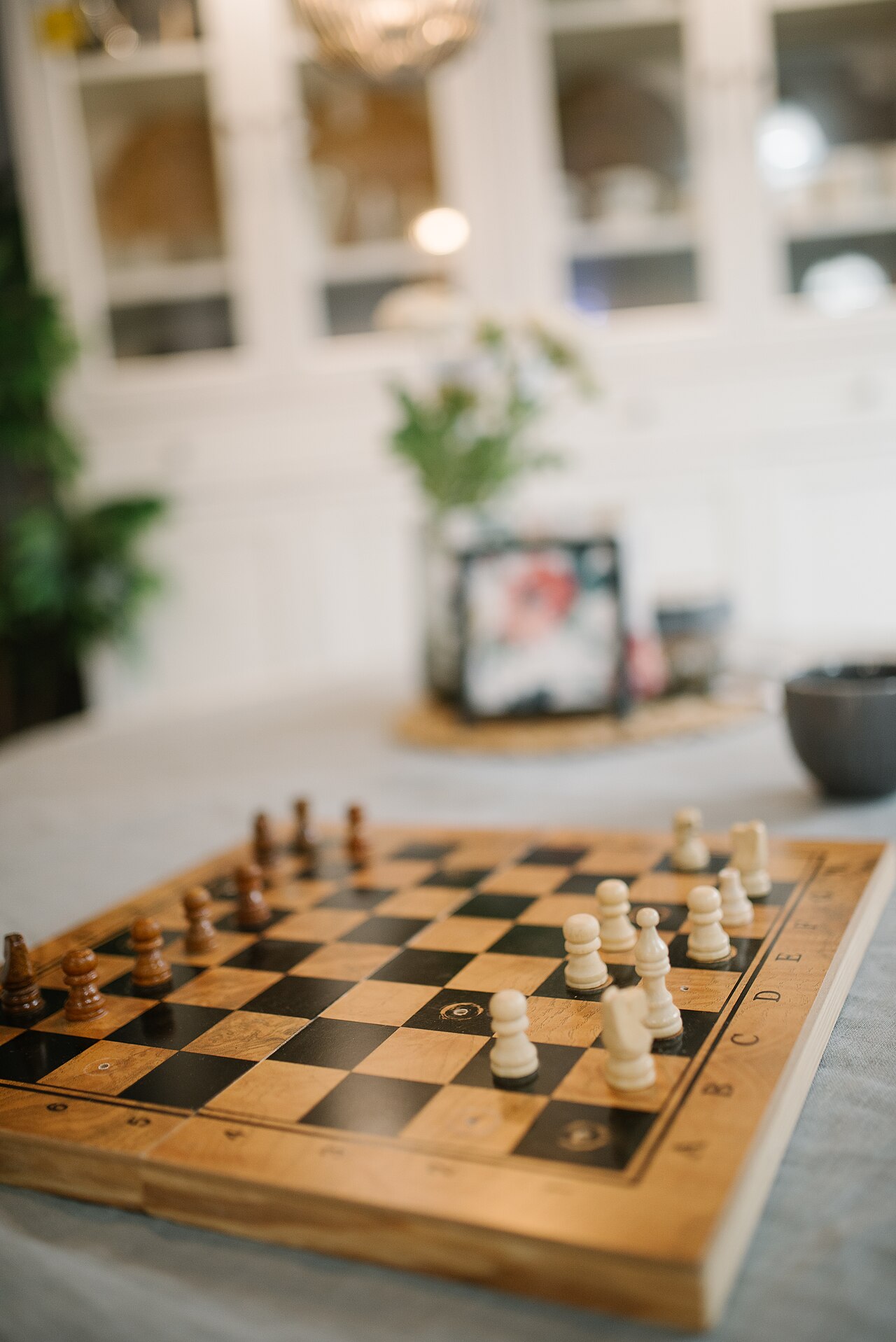
Step 1: Learn the moves (twenty minutes)
The fastest way to learn the rules is not a book or a video — it’s an interactive tutorial that lets you move the pieces yourself.
- Lichess — Learn chess — free, no ads, no account needed. A series of tiny puzzles that teach each piece in turn, then castling, check and checkmate. Most people finish it in one sitting.
- Prefer an app? The lichess app and the Chess.com app both have the same style of guided lessons on your phone.
Don’t worry about strategy yet. When you know how the pieces move, what check is, and how a game ends, you know enough to start playing — which is where the real learning happens.
Step 2: Start playing immediately
The single biggest beginner mistake is studying for weeks before playing a game. Play from day one, and expect to lose — everyone does, and online nobody knows or cares who you are.
- Play against the computer on its friendliest setting for your first few games, purely to practise moving the pieces.
- Then play real people online. Both lichess and Chess.com match you against opponents of your own strength within a few games — after that, roughly half your games will be winnable, whoever you are.
- Choose slower time limits at first (15 minutes each, or more). Fast “blitz” chess is fun to watch but a poor teacher when you’re starting out.
A game of chess is never a draw of luck: when you lose, there is a reason, and finding it is how you improve. Both sites have a free analysis button that shows you where the game turned.
Step 3: The three habits that make beginners better fast
You don’t need to study openings, memorise anything, or read theory. Three small habits do almost all the work in your first year:
- Solve a few puzzles a day. Ten minutes of free puzzles on lichess trains the pattern-spotting that decides most amateur games. It’s the closest thing chess has to a cheat code.
- Before every move, check what’s undefended — yours and theirs. Most games between beginners are decided by pieces left where they can simply be taken. The player who blunders last usually wins.
- Follow the three opening principles instead of memorising openings: get a pawn in the centre, bring your knights and bishops out, castle your king to safety. That’s the whole of opening theory a beginner needs.
Learn the two basic endgame checkmates too — king and queen, then king and rook against a lone king. They take an evening and mean your won games actually end in wins.
The best books (a short list, on purpose)
There are thousands of chess books. Almost all of them are for people who already play. These five are the ones that genuinely work for beginners — one is enough, two is plenty:
- Bobby Fischer Teaches Chess — Bobby Fischer, Stuart Margulies and Don Mosenfelder. A question-and-answer workbook that teaches you to spot checkmates from absolute zero. Sixty years old and still the best first chess book ever written.
- Everyone’s First Chess Workbook — Peter Giannatos. The modern equivalent: over 700 puzzles arranged in a careful order, starting from “which piece can you take?”. Ideal if you like learning by doing.
- Logical Chess: Move by Move — Irving Chernev. The classic first book of real games — thirty-three of them with every single move explained in plain English. Read it after a month or two of playing and feel everything click into place.
- Discovering Chess Openings — John Emms. When you’re curious why the opening principles work, this explains them properly without asking you to memorise a thing. Emms is a grandmaster who lives just down the road — we wrote about him in The grandmaster next door.
- Chess for Children — Murray Chandler and Helen Milligan. The one to buy for a young child learning at home: warm, funny and properly structured. Its sequel in spirit, Chandler’s How to Beat Your Dad at Chess, is the perfect follow-up (and not actually about beating your dad).
The best videos and online courses
If you’d rather watch than read, three creators stand clearly above the rest for beginners — all free on YouTube:
- John Bartholomew — Chess Fundamentals — five calm, brilliantly clear videos on the ideas that matter most (undefended pieces, trades, pawn play). The single best beginner series on the internet.
- GothamChess — Building Habits — Levy Rozman plays beginner-level games live, following the same simple rules he asks you to follow, and explains every decision. Entertaining enough that you’ll watch more than you meant to.
- Daniel Naroditsky’s speedruns — a grandmaster climbs from the lowest online ratings upward, explaining exactly how he punishes typical mistakes at each level. Best once you’ve played a few dozen games.
For structured courses, both lichess’s practice section (free) and Chess.com’s lessons (partly free) are good; for children, ChessKid is the standard choice — a walled garden with lessons, puzzles and safe online play designed for under-13s.
Learning with children? Our guide to junior chess in Kent covers school clubs, junior tournaments and how ECF ratings work, written for parents who don’t play themselves.
Step 4: Play a real person across a real board
Online chess is a wonderful practice ground, but the game was made to be played face to face — and that’s the part no app can give you: the handshake, the thinking silence, the post-game chat where your opponent shows you what you missed.
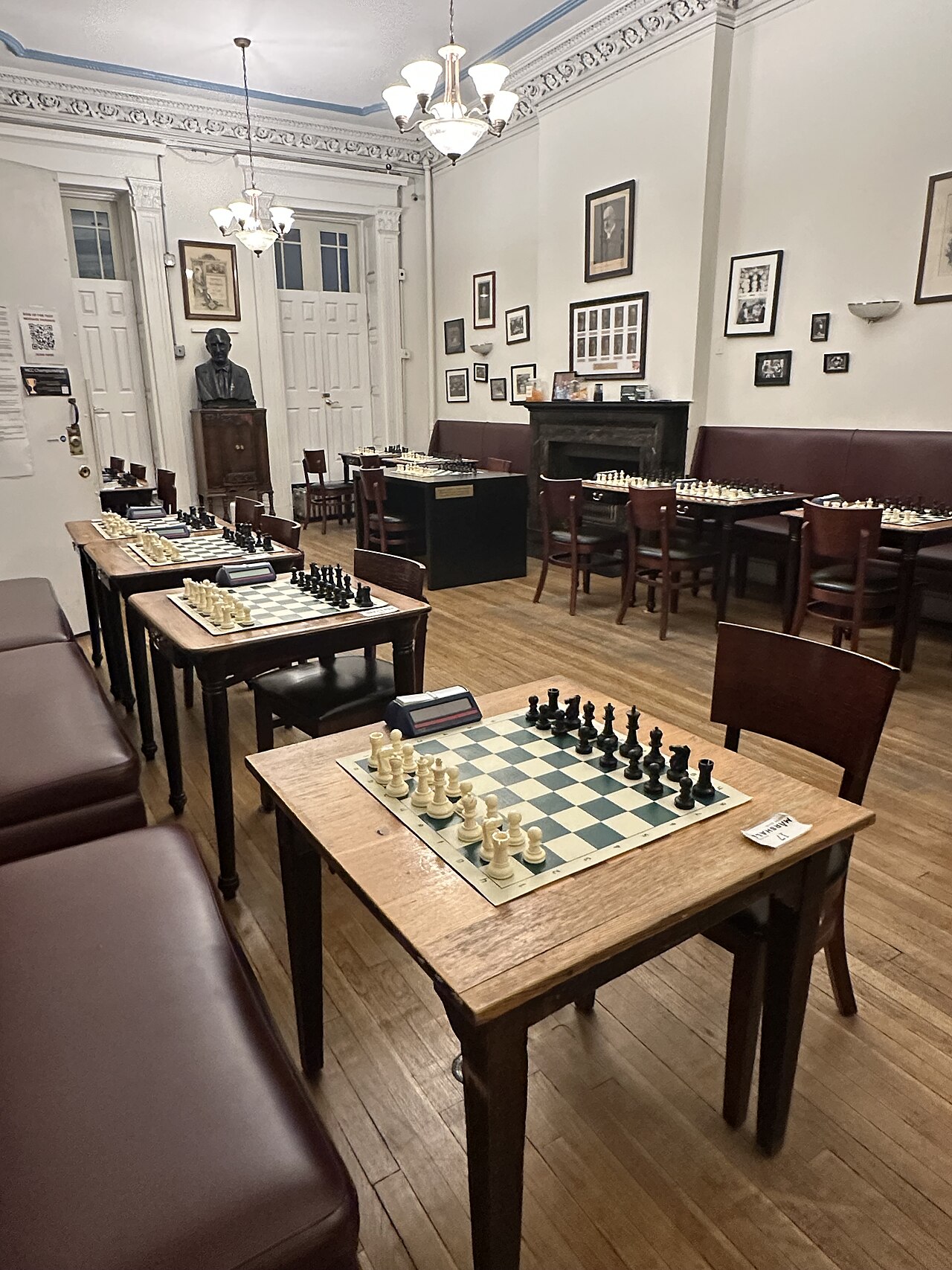
That’s what a chess club is for, and you are ready for one far earlier than you think. You do not need to be good. You need to know how the pieces move and be willing to lose a game to someone who’ll happily tell you why — which is, not coincidentally, the fastest way to improve there is.
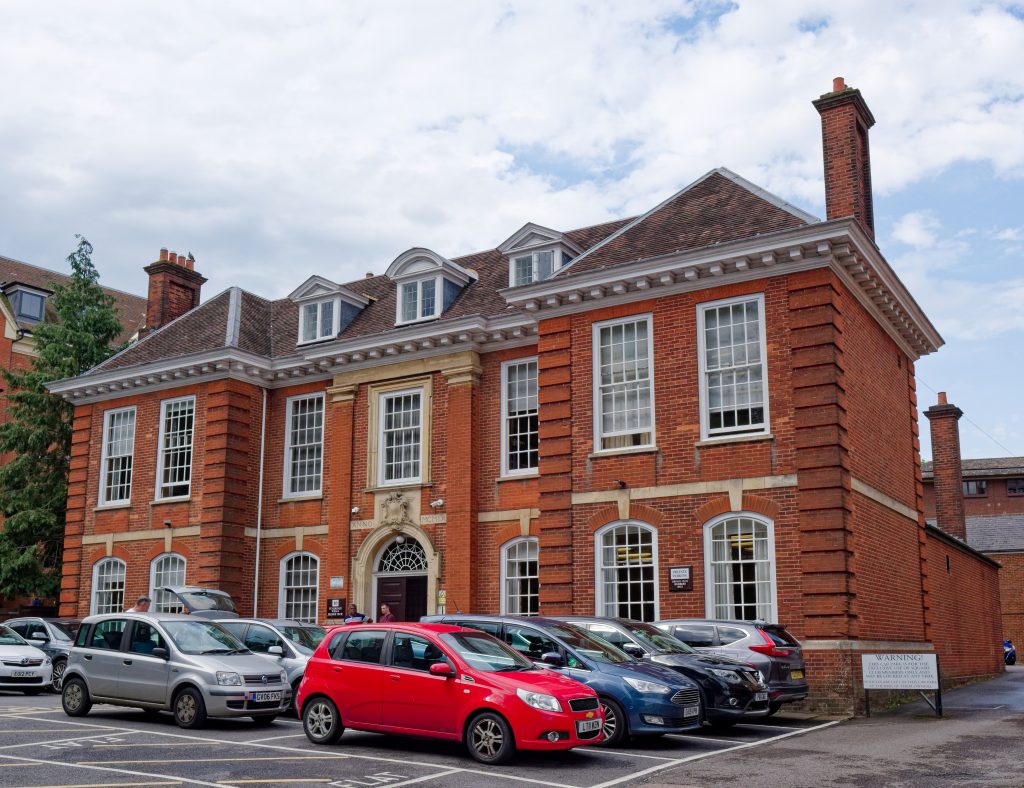
If you’re anywhere near Tunbridge Wells: we meet every Monday evening at 7.30pm at the Bridge Club on London Road, we welcome complete beginners — genuinely, several of our regulars started exactly this way — and your first visit is as simple as turning up and saying hello. Join us, or read the FAQ first if you’d like to know what to expect. Further afield, our chess in the area guide lists the clubs around Kent and Sussex.
And once club nights feel comfortable, the next adventure is a weekend tournament — see our directory of congresses across the South East, which includes events with sections for new and lower-rated players.
Still wondering whether it’s worth the effort? We made the case in Why learn chess?
Photo credits: chess board at home by Shixart1985 (CC BY 2.0); club playing room by Flyfishbowl (CC BY-SA 4.0); the Bridge Club photograph is our own.

