Why Learn Chess?
Fifteen hundred years old, playable by an eight-year-old, unexhausted by the greatest minds who ever lived. No batteries, no subscription, no luck. If you’re wondering whether chess is worth learning — as an adult, or for your child — here is the honest case for it.
It trains a way of thinking
Chess is a continuous exercise in the same few mental habits: concentrate on one thing, look ahead before acting, consider what the other person is trying to do, and accept the consequences of your own decisions — there’s nobody else to blame and no dice to curse.
You sit down, the noise stops, and for an hour there is only the position in front of you. Many players describe it the way others describe running or fishing: the rest of the week goes quiet. In an age of seven-second attention spans, an hour of voluntary deep focus is not a small thing — and it’s probably the one benefit every chess player would agree on.
Does it make children cleverer? The research is more modest than the headlines: what studies do consistently find is engagement — children who take up chess practise concentrating, calculating and losing gracefully, and enjoy it enough to keep practising. Those are useful things to practise, whatever they do to exam results.
It teaches you how to lose
This sounds like a strange selling point. It’s the best one.
Every chess player loses — constantly. Play people of your own strength and you will lose close to half of your games forever; even world champions do. But a lost game of chess comes with something most defeats in life don’t: a complete record of why. You can replay it, find the moment it went wrong, and genuinely be better the next day because of it.
Children who play chess get hundreds of small, safe rehearsals of a big life skill: something went wrong, nobody is upset, let’s find out why and go again. Adults, frankly, get the same thing.
It’s a game for life — and for everyone
Chess doesn’t care how old you are, how fast you can run, or how good your eyesight is. It is one of very few games where a nine-year-old and a ninety-year-old can sit down as genuine equals — our club nights regularly prove it. You can take it up at seven or seventy, play seriously or socially, and never run out of game.
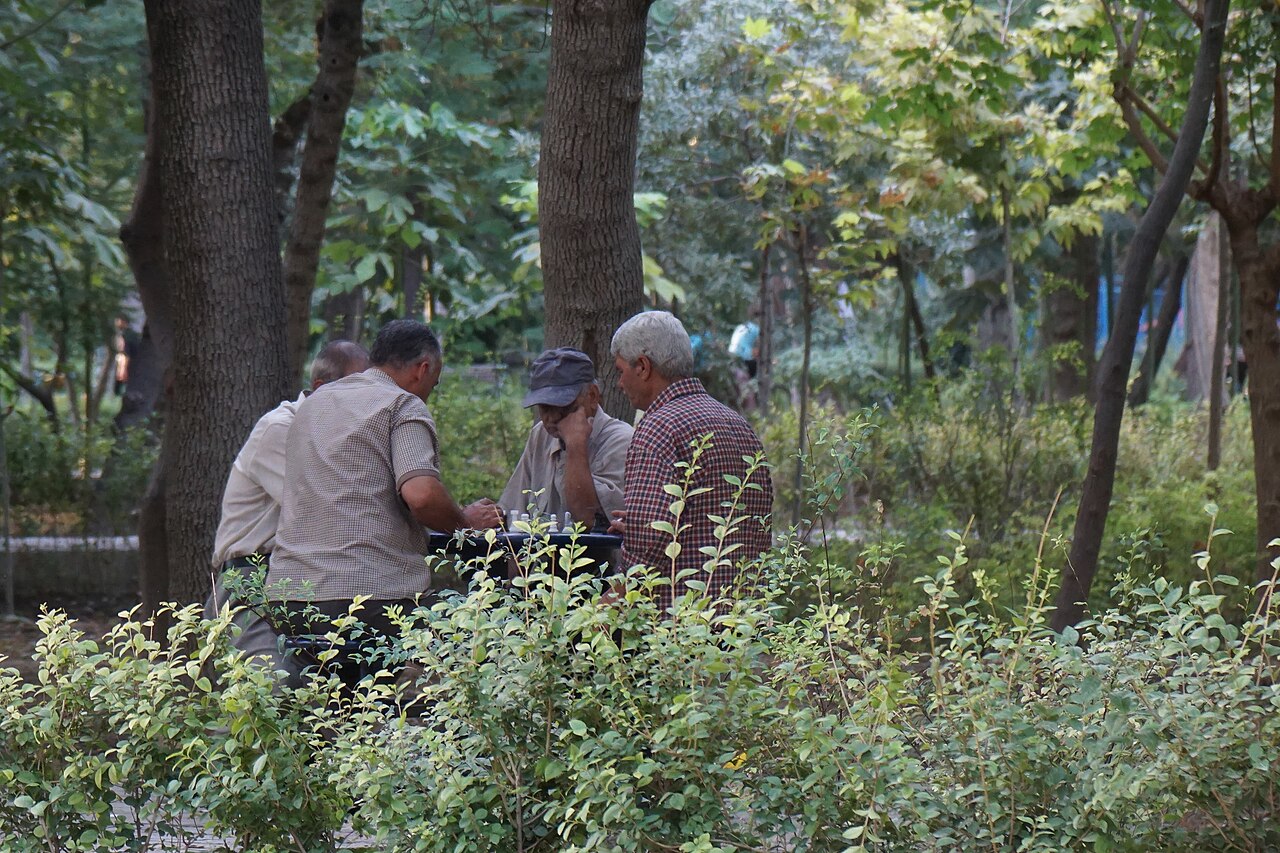
It travels, too: a pocket set on a train, a park table on holiday, a phone app in a waiting room, a club in nearly every town on earth. Wherever you go, the rules are the same and a game is available.
It’s sociable — in an unusually good way
A chess game is a strange kind of conversation: an hour of companionable silence with a stranger, followed by ten minutes of actual conversation about what just happened — the post-game chat is one of the game’s great pleasures. It’s sociability without small talk, which suits a lot of people who find parties hard work.
Clubs add the rest: familiar faces every week, team matches against neighbouring towns, someone stronger who’ll happily show you what you missed. Chess friendships routinely cross fifty years of age difference, which very few hobbies can say.
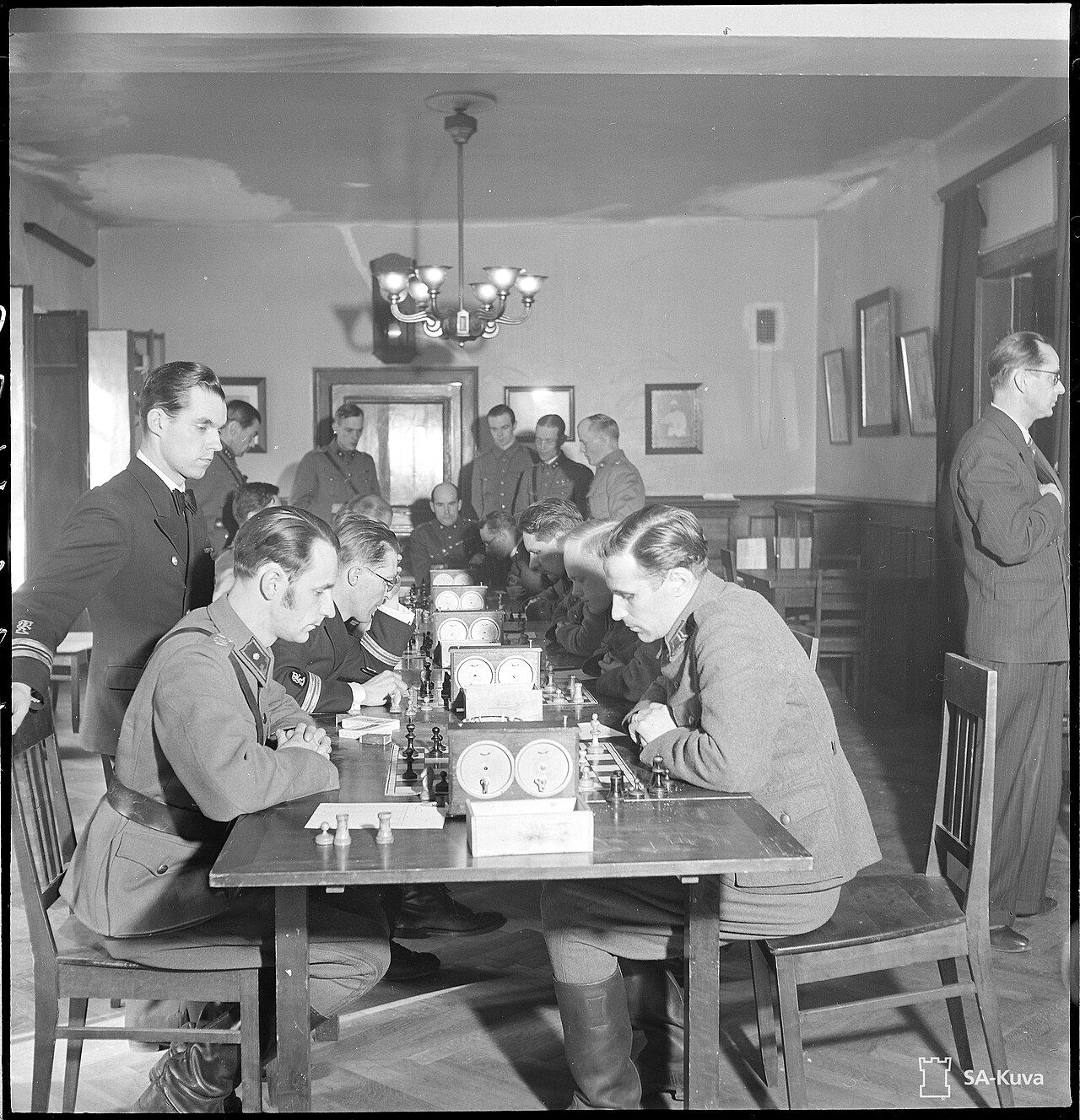
People have been meeting like this for a very long time — the photograph above is a chess club evening in 1941. The boards, the clocks, the watchers with opinions: all instantly recognisable to anyone who’s been to a club night since.
It’s the cheapest deep hobby there is
A perfectly good set costs about £15 and lasts a lifetime. The best online chess is free. The best beginner books cost less than a takeaway. A year of club membership costs less than a single golf lesson — and rated tournament chess, if you ever want it, starts at about the price of a cinema ticket. There is no kit ladder, no season pass, and nothing to upgrade.
And there’s never been a better time to start
Chess is in the middle of its biggest boom since Fischer. Online play has exploded since 2020, streamers fill arenas, and English club chess has been growing again — you can see it in the numbers on our UK chess statistics page, which charts thirty years of ECF rating lists. More beginners are learning right now than at any point in living memory, which means more people your strength to play, better free learning tools than have ever existed, and no shortage of company.
Convinced?
Then the next page is the practical one: How to learn chess — the rules in twenty minutes, the habits that make you better fast, and the best books, videos and free websites, chosen rather than listed.
And when you’ve got the basics down, come and play the game as it’s meant to be played — across a real board, against a real person, with a cup of tea. We meet every Monday evening in Tunbridge Wells and complete beginners are genuinely welcome: join us. Parents will find our guide to junior chess in Kent useful too.
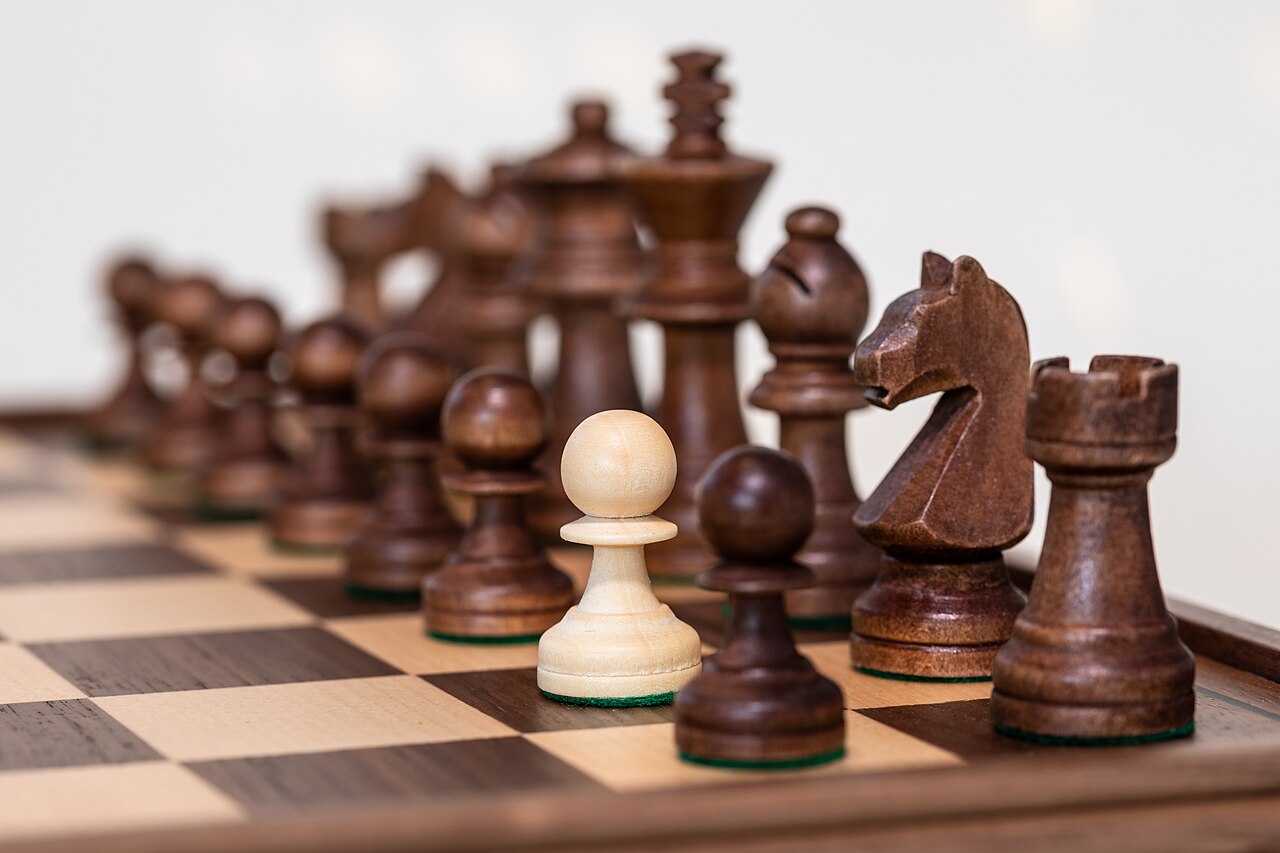
Photo credits: chess pieces by Dietmar Rabich (CC BY-SA 4.0); chess in the park by s1ingshot (CC BY 2.0); Helsinki chess club, 1941, from the Finnish Wartime Photograph Archive (public domain).

.jpg)